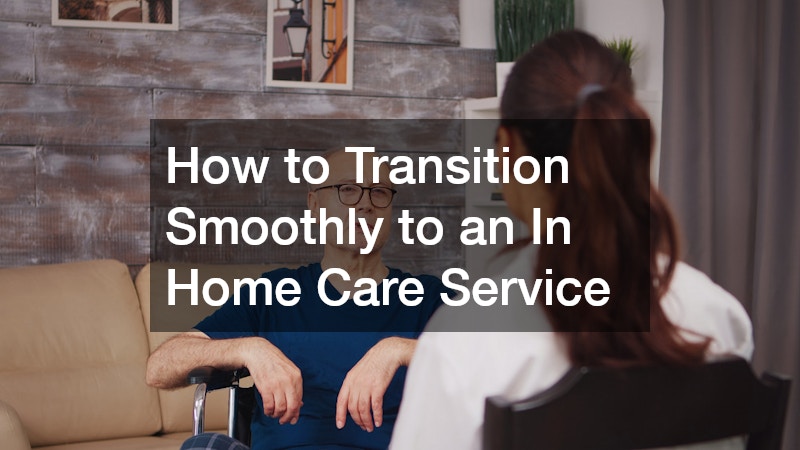
Transitioning to an in home care service can be a significant adjustment for both seniors and their families. Whether it is due to health concerns, mobility challenges, or the need for additional support, making this change requires careful planning and communication. With the right approach, moving to an in home service can improve quality of life, maintain independence, and provide peace of mind for everyone involved. This article outlines practical steps to help you transition smoothly to an in home service while ensuring comfort and dignity for your loved one.
Understanding the Need for In Home Care
Before exploring options, it is crucial to understand why an in home care service might be necessary. Many seniors prefer to age in place, staying in the familiar surroundings of their home while receiving the support they need. In home care services provide assistance with daily activities such as meal preparation, personal hygiene, medication management, and companionship. Unlike moving to a facility, these services allow seniors to maintain independence and comfort, while still receiving professional care.
Families often feel a mix of relief and guilt when considering professional in-home support. It is normal to feel concerned about whether a caregiver can match the care provided by a family member. However, professional caregivers are trained to handle both medical and emotional needs, ensuring that seniors receive consistent, high-quality support. By acknowledging these benefits early on, families can approach the transition with a more positive mindset.
Preparing for the Transition
Preparation is key to a smooth transition into an in home care service. Start by assessing the specific needs of your loved one. Make a list of daily tasks, medical requirements, and personal preferences. This will help you choose a caregiver or service that aligns closely with your family’s expectations. Many in home services offer personalized care plans, which can be adjusted as needs change over time.
Involving your loved one in the decision-making process is also essential. Discussing the reasons for in-home care, the type of assistance available, and the benefits it provides can reduce anxiety and build trust. Allow them to express their preferences regarding schedules, activities, and the type of caregiver they feel comfortable with. A collaborative approach ensures that the transition feels empowering rather than imposed.
Additionally, preparing the home environment can make the transition smoother. Remove hazards, organize spaces for easy access, and ensure that frequently used items are within reach. Small adjustments, such as installing grab bars or improving lighting, can significantly enhance safety and comfort. An organized, senior-friendly environment demonstrates thoughtfulness and readiness for professional in-home support.
Establishing a Routine and Building Relationships
Once the in home care service begins, establishing a routine helps both the caregiver and your loved one adjust more quickly. Consistent daily schedules provide a sense of security and predictability. Outline specific times for meals, activities, and medication. This structure not only improves the quality of care but also helps seniors feel more in control of their day-to-day life.
Building a positive relationship with the caregiver is equally important. Encourage open communication between your loved one, family members, and the caregiver. Share medical histories, personal habits, and any preferences regarding social interactions or hobbies. Mutual respect and understanding create a supportive atmosphere where your loved one feels valued and comfortable.
Monitoring the adjustment period is crucial. During the first few weeks, observe how your loved one responds to the caregiver and daily routine. Address concerns promptly and be flexible in making necessary changes. Many in home care services offer periodic reviews and updates to care plans, which can help fine-tune the support provided. Active involvement in this process reassures your loved one and fosters a sense of teamwork between family members and professionals.
Overcoming Emotional and Practical Challenges
Transitioning to an in home care service can trigger a range of emotions, from relief to guilt and even anxiety. It is important to acknowledge these feelings and provide emotional support. Open conversations about expectations, fears, and experiences help reduce stress and foster understanding. Encourage your loved one to maintain hobbies, social connections, and independence wherever possible, emphasizing that professional care is a supplement rather than a replacement for family involvement.
Finally, celebrate the positive aspects of in-home care. Professional caregivers provide not only physical support but also companionship, emotional encouragement, and a sense of security. Recognizing the benefits can help shift the focus from challenges to the improved quality of life that an in home service can provide.
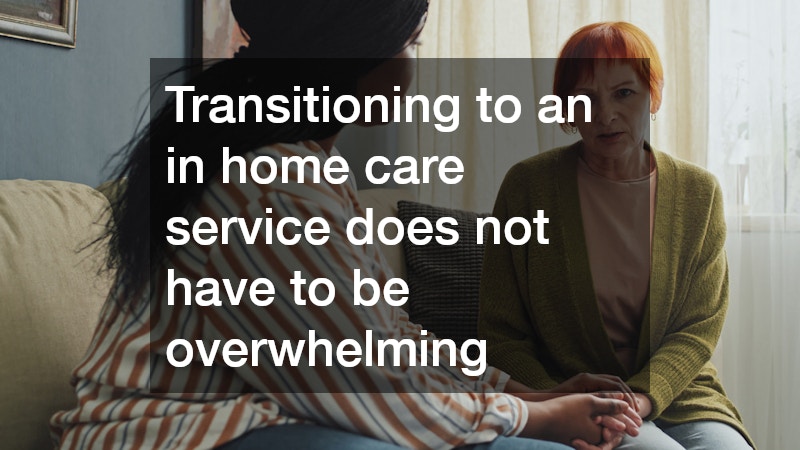
Transitioning to an in home care service does not have to be overwhelming. By understanding the benefits, preparing thoughtfully, establishing routines, and addressing both emotional and practical challenges, families can create a smooth and positive experience for their loved ones. Professional in-home care offers a balance of independence and support, allowing seniors to remain in the comfort of their own home while receiving the care they need. With patience, planning, and open communication, the move to an in home service can enhance well-being and provide lasting peace of mind for both seniors and their families.