This comprehensive guide is designed to take you from a state of constant reaction to a state of intentional action. To reach a truly organized life, we must look at the “Three Pillars of Family Management”: The Household Systems, The Community Support Network, and The Personal Identity Maintenance.
The transition into parenting is often described as a beautiful whirlwind, but for many, it feels more like a permanent state of triage. Between the relentless laundry, the shifting developmental milestones, and the mental load of managing a household, “organization” can feel like an unattainable luxury. However, true organization isn’t about achieving a Pinterest-perfect pantry or a home that looks like a museum. It is about building sustainable systems that protect your time and energy. When your home and schedule are optimized, you move from merely reacting to the chaos to proactively guiding your family’s day. This guide explores how to streamline your life through smarter habits, local resources, and home environments that work for you, not against you.
I. Establishing the Family Command Center
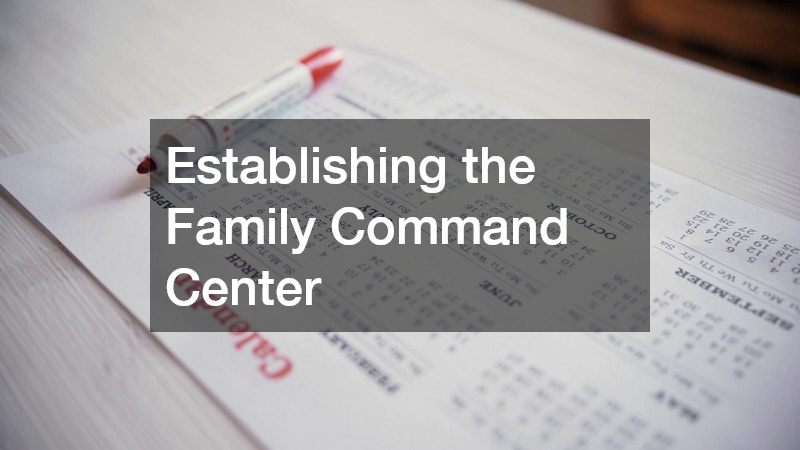
The first step in organizing a life with children is to externalize your memory. You cannot rely on your brain to remember every Spirit Day at school, every birthday party, and every household chore. A “Family Command Center” serves as the central nervous system of your home. This should be a physical location—usually in the kitchen or mudroom—where the family’s schedule lives.
A large-scale wall calendar is essential here. Use color-coding for each family member to see at a glance who needs to be where. For working parents, this is the place to reconcile your professional deadlines with child care realities. If you have a child in daycare, mark their specific “share days” or “closed for holiday” dates clearly. By visualizing the month as a whole, you can spot “crunch weeks” (where school projects and work deadlines collide) and prepare for them in advance.
Furthermore, consider the physical transition of the school day. As children grow and move into a more formal preschool environment, they begin to accumulate “gear”—lunchboxes, backpacks, and folders. Your command center should include a “Launchpad” where these items are staged every single night. When the shoes and bags are already waiting at the door, the 7:00 AM panic disappears.
II. Proactive Health and Wellness Management
One of the biggest “time-thieves” for parents is the unexpected illness or the forgotten appointment. Being organized in your family’s wellness routine is a form of preventative maintenance. It keeps the “emergency” moments to a minimum and ensures your children are thriving.
Create a “Family Health Binder” (or a dedicated digital folder) that contains copies of immunization records, growth charts, and recent prescriptions. When it comes to routine care, don’t wait for a reminder call from the office. Proactively book your appointments with the top-rated childrens dentists in your area during the summer or winter breaks. By “batching” these appointments, you reduce the number of times you have to pull a child out of school or miss a work meeting.
Logistics also play a role in daily wellness. Your local pharmacy should be utilized as a tool for automation. Set up auto-refills for any maintenance medications and ensure you are enrolled in text notifications. A well-organized “Sick Kit” kept at home—stocked with thermometers, electrolyte drinks, and bandages—means that when a fever spikes at midnight, you aren’t digging through a cluttered cabinet. You are reacting with calm, prepared efficiency.
III. Outsourcing and the “Village” Mentality
The modern expectation that two parents (or one) can handle every aspect of child-rearing, home maintenance, and career growth without help is a recipe for burnout. Organization isn’t just about cleaning; it’s about delegating. You must build a “village” of professional and community support to help carry the load.
For many, this village begins with a spiritual or social community. Joining a church for young families provides more than just a place of worship; it offers a built-in network of people in the same stage of life. These communities often organize “meal trains” for families in crisis, host clothing swaps that save you hours of shopping, and provide a safe social outlet for your children.
Building your village also means recognizing when your domestic load is too high. If you are a pet owner, you know that a restless dog can add a layer of chaos to a home with young children. Utilizing a dog day care, even just one day a week, can be a game-changer. It ensures your dog is physically taxed and socialized, which in turn makes your evenings at home quieter and more manageable. Outsourcing pet care is a valid organizational strategy that frees up your mental energy for your children.
IV. Strategic Educational Transitions
As your children age, their educational needs will become the primary driver of your daily schedule. Organizing this transition requires long-term planning and a clear understanding of your child’s learning style.
Start your research early. Many parents spend a significant amount of time touring the best Montessori preschools to find an environment that aligns with their home values. Montessori programs, in particular, emphasize “practical life” skills—teaching children how to pour their own water, put away their toys, and dress themselves. These skills directly translate to a more organized home, as your child becomes a participant in the household’s order rather than just a source of the mess.
Whether you choose a full-time daycare or a part-time enrichment program, the goal is consistency. Once a school is chosen, organize a “School Prep” routine. This includes labeling every piece of clothing with waterproof stickers and creating a dedicated “Artwork Gallery” in your home. By having a designated place for the papers that come home, you prevent the kitchen counter from becoming a graveyard of finger paintings and permission slips.
V. Engineering the Functional Home
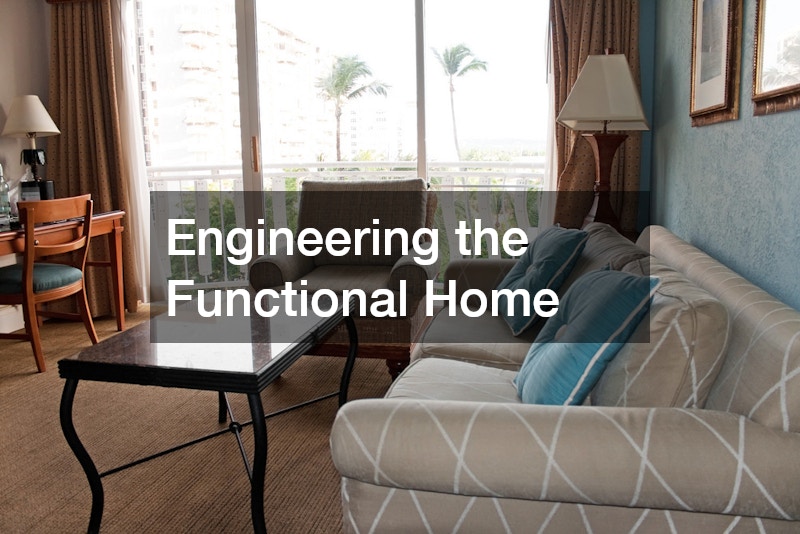
Sometimes, no amount of labeling bins will solve a problem that is caused by the home’s layout. If you find yourself constantly tripping over toys or struggling to find space for essentials, you may need to look at the “bones” of your house.
Home remodeling with a focus on family functionality can yield massive returns in daily peace. This doesn’t have to mean a six-figure renovation. It can be as simple as converting an underused closet into a “toy library” where toys are rotated out every two weeks to keep clutter at a minimum. Or, it could involve a more significant project like adding a mudroom with specialized storage for sports gear and winter coats.
Beyond the walls, consider the “invisible” systems of your home. A high-quality water treatment system is a subtle but powerful organizational tool. Hard water creates scale buildup on dishes, fixtures, and laundry, requiring you to spend more time scrubbing and more money on specialized cleaners. A treatment system automates the “cleanliness” of your home’s infrastructure. It keeps your clothes softer, your skin healthier, and your appliances running longer, reducing the organizational headache of managing home repairs.
VI. Preserving the Parents’ Creative Identity
One of the first things to disappear in a disorganized, child-centered home is the parents’ personal space and hobbies. To be a resilient parent, you must have an outlet for your own creativity. The challenge is keeping those hobbies from contributing to the overall household clutter.
If you are a crafter or a DIY enthusiast, you need a system that keeps your supplies accessible but safe. Use clear, locking containers to store your sewing tools, pins, and fabrics. By using a vertical storage system (like pegboards or high shelving), you keep dangerous items out of reach of curious toddlers while keeping your “creative inventory” visible.
When your personal interests are organized, you can utilize “micro-pockets” of time. If your sewing machine is already set up and your threads are color-coded, you can finish a hem in the ten minutes between nap time and dinner prep. If your hobby is a mess, you will spend those ten minutes just looking for your scissors. Organization is the bridge that allows you to remain a person while being a parent.
VII. The Power of the “Nightly Reset”
If there is one habit that defines an organized family, it is the “Nightly Reset.” This is a 20-minute ritual performed after the children are in bed. It is not a deep clean; it is a resetting of the house to “Neutral.”
During the reset, dishes are put in the dishwasher, the living room floor is cleared of toys, and the “Launchpad” is prepped for the morning. This is also the time to check your calendar one last time. Do the kids have a field trip tomorrow? Is it a “library book” day? By answering these questions at 9:00 PM, you avoid the adrenaline spike of a 7:00 AM realization.
VIII. Managing the Mental Load
Finally, we must address the “Mental Load”—the invisible list of everything that needs to happen to keep the family alive and happy. This is often the most exhausting part of parenting. To organize the mental load, you must move it from your head to a shared system.
Use a “Shared Notes” app with your partner or co-parent. Create lists for “Groceries,” “Home Repairs,” and “Gift Ideas.” When you notice you are low on milk, add it to the list immediately. This prevents the “mental loops” of trying to remember five different things at once. When the system remembers for you, your brain is free to focus on the person in front of you.
Building a more organized life with young children is not about reaching a state of perfection; it is about creating a resilient framework that can withstand the unpredictability of family life. By leaning on community resources, optimizing your home’s physical flow, and staying ahead of the school and health calendars, you buy yourself something far more valuable than a clean house: you buy yourself time. The systems you put in place today will evolve as your children grow, but the foundation of order and intentionality will remain, allowing you to focus on the joy of parenting rather than the stress of the mess.
IX. Your Home Is Alive

To further bridge the gap between initial organization and long-term family harmony, it is essential to recognize that your home is a living organism that evolves alongside your children. The systems that worked for a newborn—such as a sterilized bottle station or a nursery-bound changing table—will eventually give way to the needs of a teenager. True organizational mastery lies in adaptability. It is the ability to audit your home every six months and ask: “Is this still serving us, or are we serving the system?” When you allow your environment to breathe and change, you prevent the stagnant clutter that leads to household tension.
Furthermore, the goal of this structured lifestyle is to foster a sense of autonomy within your children. An organized home is a teaching tool. When a child knows exactly where their shoes go, or how to access their own healthy snacks from a low-level pantry shelf, they are learning the fundamentals of personal responsibility. This transition of labor from the parent to the child is the ultimate “long game” of family organization. You aren’t just tidying a room; you are raising a future adult who understands how to manage their time, their space, and their resources.
As you implement these changes, remember to extend yourself grace. There will be weeks when the daycare bag is forgotten, or when the home remodeling project feels like it will never end. Life with young children is inherently messy, and no amount of planning can account for a sudden flu or a rainy-day tantrum. The objective of these systems is not to eliminate the mess, but to provide a stable foundation to return to once the storm passes. When you have a “home base” that is organized, the recovery time from life’s inevitable disruptions is significantly shorter.
Ultimately, by leaning on your community village—whether that is through your local church for young families or your trusted childrens dentists—you are proving that you don’t have to carry the mental load alone. You are creating a life where “busy” does not have to mean “frantic.” By prioritizing functional spaces, reliable service providers, and intentional daily rhythms, you are gifting your family a calmer, more present version of yourself. That presence is the greatest reward of an organized life, providing the quiet space needed to truly cherish the fleeting years of early childhood.