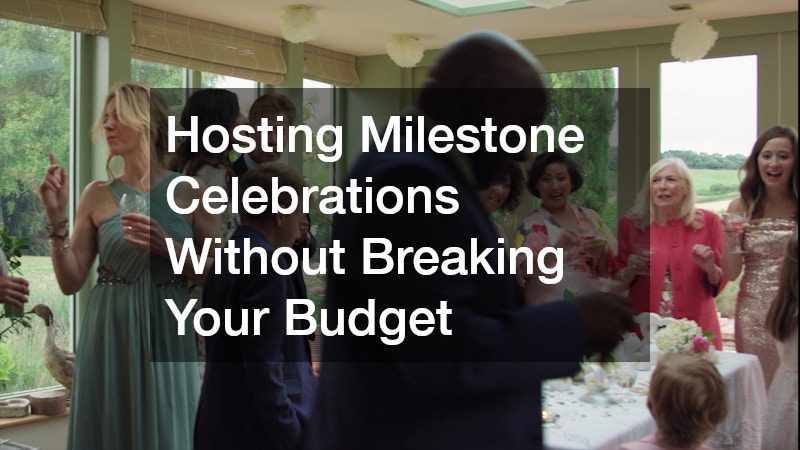
A wedding held at home offers a level of intimacy that traditional venues often struggle to match. It creates a familiar backdrop where meaningful moments feel more personal, and where every corner of the property can be shaped around the couple’s vision. In a season defined by sunlight, long evenings, and natural color, a summer celebration at home can feel especially vibrant when planned with intention.
What makes these events stand out is not just the setting, but how that setting is transformed. Thoughtful planning can turn a backyard, garden, or open space into a cohesive environment that feels both polished and welcoming. Every detail, from guest flow to décor placement, plays a role in shaping the overall experience.
Home-based weddings also allow for more creative control compared to traditional event spaces. Couples are not bound by preset layouts or vendor restrictions, which opens the door to highly personalized design choices. That flexibility can be both exciting and overwhelming, making structure and preparation essential.
A successful celebration often begins long before the ceremony itself. Early planning helps ensure that the property can handle guests comfortably while still maintaining its charm. This includes considering practical needs like access, comfort, and weather contingencies alongside aesthetic decisions.
Another important aspect is guest experience. Unlike a standard event space that is already designed for large gatherings, a private property must be intentionally adapted. That means thinking through everything from seating arrangements to shade coverage and nighttime visibility.
The flow of the event is equally important. Guests should be able to move naturally between ceremony, dining, and social areas without confusion or congestion. When space is thoughtfully organized, even a modest backyard can feel expansive and well-orchestrated.
Seasonal conditions also play a major role in shaping decisions. Summer weather brings warmth and extended daylight, but it also introduces challenges like heat management and late-evening transitions. Planning with these factors in mind helps ensure that the celebration remains comfortable throughout the day.
Ultimately, creating a welcoming home wedding environment comes down to balance. It requires blending beauty with practicality, creativity with structure, and personal expression with guest-centered design. When these elements align, the result is an experience that feels both effortless and unforgettable.
Drawing Inspiration From Local Venues
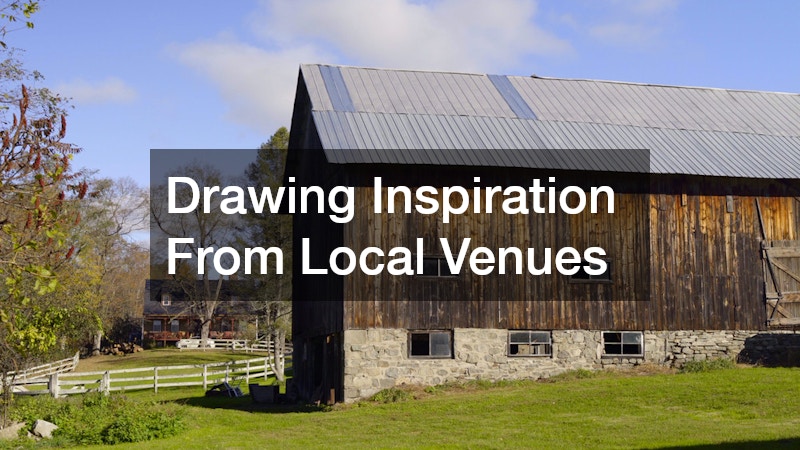
One of the most effective ways to design a cohesive home wedding is to study professional event spaces nearby. A well-designed wedding venue offers insights into layout, flow, and visual balance that can be adapted for residential settings. Observing how these venues handle entrances, focal points, and seating arrangements can help translate similar structure into a home environment.
Pay attention to how décor is layered in a professional setting. Many venues use natural sightlines, elevated focal areas, and consistent color themes to guide attention. Bringing those principles home can help a backyard feel intentionally designed rather than improvised.
It also helps to note how venues separate functional zones. Ceremony spaces, dining areas, and social lounges are often clearly defined while still feeling connected. Replicating this division at home can improve guest movement and reduce crowding.
Lighting design is another strong source of inspiration. Many venues use soft ambient lighting to shift the atmosphere as the day progresses. Incorporating similar techniques at home can help transition the space from daytime celebration to evening reception seamlessly.
Organizing the Cleanup Beforehand
Before any décor or setup begins, it is essential to prepare the property thoroughly. A clutter-free space provides a clean foundation and ensures that event installations can be placed efficiently. This often includes clearing yard waste, old furniture, or construction debris well in advance.
For larger projects, arranging a dumpster rental can simplify the cleanup process significantly. It allows for efficient disposal of materials and helps keep the site organized during preparation. This step is especially useful when transforming outdoor areas or doing minor renovations before the event.
A well-prepared space also reduces last-minute stress. When cleanup is handled early, attention can shift toward design and guest experience rather than logistics. It also allows vendors easier access when setting up equipment or décor.
Taking time to prepare the space properly ensures that every design choice stands out more clearly. A clean, open environment acts as a blank canvas, making it easier to achieve a polished and cohesive wedding setup.
Ensuring Your Guests’ Comfort

Guest comfort should guide nearly every planning decision. Summer weddings can be beautiful, but heat and outdoor exposure require thoughtful accommodations to keep everyone at ease throughout the event.
One practical consideration is restroom access. For outdoor-heavy setups or larger guest lists, porta potty rentals can provide a reliable solution. Modern options are far more comfortable and visually discreet than many expect, making them a practical addition for home events.
Shade and cooling stations also play a major role. Tents, umbrellas, and misting fans can help regulate temperature and prevent discomfort during peak sunlight hours. Seating areas should be arranged with both visibility and comfort in mind.
Hydration is another key factor. Easily accessible water stations or beverage bars help guests stay refreshed without disrupting the flow of the event. When comfort is prioritized, guests are able to remain present and engaged throughout the celebration.
Arranging Guest Transportation
Coordinating transportation helps ensure that guests arrive safely and on time while reducing congestion around the property. This is especially important if parking is limited or the location is in a residential neighborhood.
For guests traveling from out of town, airport shuttle services can simplify arrival logistics. Group transportation options help reduce confusion and ensure that guests reach the event without unnecessary delays or coordination issues.
Local transportation coordination can also improve the overall experience. Ride-sharing zones or designated drop-off points help maintain order at entryways and prevent traffic buildup near the main celebration area.
When transportation is thoughtfully organized, it contributes to a smoother event flow. Guests can focus on the celebration itself rather than navigating directions, parking, or timing concerns.
Renting a Boat

Adding a water-based experience can elevate a home wedding into something more memorable and unique. Depending on location, boat rentals can serve as either a scenic backdrop or a dedicated activity for guests.
A boat setting works especially well for pre-ceremony photos or small-group gatherings. The natural movement of water adds a sense of calm and visual appeal that enhances the overall atmosphere.
It can also be incorporated into the event timeline in subtle ways, such as a short post-ceremony cruise or a quiet moment for the couple. These experiences create lasting memories while offering a break from the main celebration space.
When planned carefully, water elements introduce variety to the event without overwhelming the schedule. They add dimension and contrast to the home setting, making the overall experience feel more dynamic.
Dining Outdoors
Outdoor dining is often the centerpiece of a summer wedding at home. The term al fresco dining captures the essence of eating in an open-air environment where natural surroundings enhance the experience.
Tables should be arranged to encourage conversation while still allowing easy movement for servers and guests. Long communal tables often work well for creating a shared, celebratory atmosphere.
Décor should complement the natural environment rather than compete with it. Lightweight fabrics, seasonal florals, and simple tableware can help maintain balance while still feeling elevated.
Lighting becomes especially important as the evening progresses. Soft overhead lighting or candle arrangements help maintain ambiance and extend the usability of the space well after sunset.
Sourcing Plants and Flowers
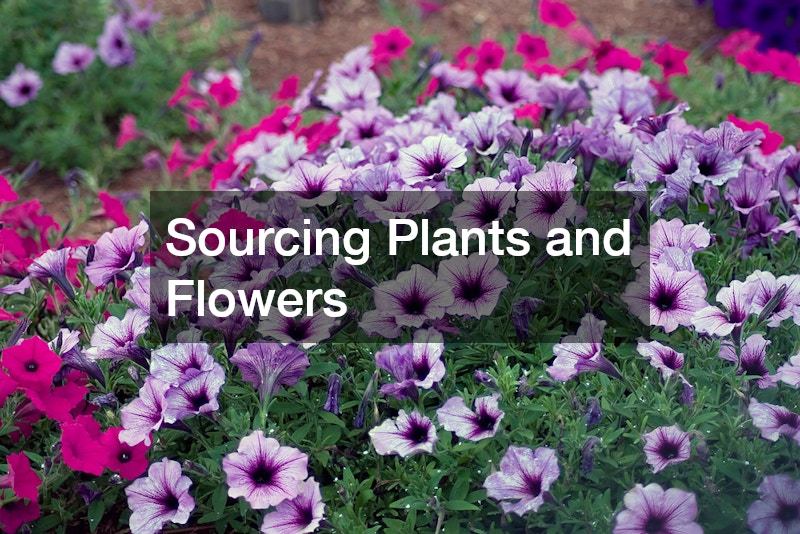
Floral design plays a central role in shaping the visual identity of a home wedding. Working with a local garden center provides access to seasonal blooms and greenery that can be tailored to the event’s color palette.
Using locally sourced plants also ensures freshness and helps the décor blend naturally with the surrounding environment. Potted arrangements can double as décor and functional landscaping elements during the event.
Beyond flowers, greenery can be used to define walkways, frame ceremony spaces, and soften structural elements around the home. This creates a more immersive and cohesive environment.
The goal is to create a setting that feels alive and organic. Thoughtful plant selection helps bridge the gap between built space and natural surroundings.
Planting a Unity Tree
A meaningful symbolic gesture can add emotional depth to the ceremony. Planting a tree during the event creates a lasting reminder of the occasion that continues to grow over time.
Working with a local tree service ensures that the right species is selected for the property’s soil, climate, and available space. Proper planting also increases the likelihood that the tree will thrive long after the wedding day.
This type of ritual works well as part of the ceremony itself or as a quiet post-ceremony moment. It offers a grounding experience that contrasts beautifully with the energy of celebration.
Over time, the tree becomes a living marker of the event, adding sentimental value to the home and serving as a lasting connection to the day.
Choosing the Landscape Lighting
Lighting is one of the most transformative elements in any outdoor event design. Professional landscape lighting installation can redefine how the property looks and feels after sunset.
Strategic lighting highlights key features such as pathways, trees, seating areas, and architectural details. It also improves safety by ensuring guests can move comfortably through the space at night.
Warm lighting tones tend to work best for weddings, creating a soft and inviting atmosphere. Layered lighting approaches help avoid harsh shadows while maintaining visual depth.
When executed well, lighting design allows the celebration to transition seamlessly into the evening without losing energy or visibility.
Adding a Patio
Expanding usable space can significantly improve the flow of a home wedding. Installing a new patio door can help connect indoor and outdoor areas, making movement between spaces more natural.
This connection allows the home to function as part of the event rather than a separate structure. Guests can easily transition between indoor cooling areas and outdoor celebration zones.
A well-designed patio area also serves as an additional gathering space. It can be used for lounging, cocktails, or quieter conversations away from the main activity zones.
This architectural enhancement supports both aesthetics and functionality, making the entire property feel more integrated and event-ready.
Planning Your Big Day at Home
Bringing a wedding to life at home requires careful coordination across design, logistics, and guest experience. Every decision contributes to how smoothly the day unfolds and how comfortable guests feel throughout the celebration.
Timing plays a critical role in ensuring that each segment of the event transitions naturally into the next. From preparation to ceremony to reception, a well-structured timeline reduces stress and improves flow.
Vendor coordination is another essential component. Clear communication ensures that setup, catering, and entertainment align with the overall plan and space limitations.
Flexibility is also important. Even with detailed planning, unexpected adjustments may be necessary, and having contingency plans helps maintain confidence throughout the day.
Personalization is one of the strongest advantages of a home wedding. Every design choice reflects the couple’s style and priorities, creating a celebration that feels deeply meaningful.
Guest experience should remain central throughout all decisions. Comfort, accessibility, and engagement all contribute to how memorable the event becomes for attendees.
When logistics and creativity are balanced effectively, the home transforms into more than a venue. It becomes an immersive environment built around connection and celebration.
A well-planned home wedding ultimately delivers something that cannot be replicated in traditional spaces: a fully personalized experience grounded in familiarity, intention, and shared joy.
One of the most important advantages of hosting a wedding at home is the ability to shape the environment around your priorities rather than adapting to a fixed venue structure. This flexibility allows for more intentional decision-making, from layout design to guest flow, ensuring that every element supports the overall experience rather than competing with it. When thoughtfully executed, the home becomes a fully functional event space without losing its personal character.
Attention to detail is what ultimately elevates the experience. Small but deliberate choices—how pathways are lit, where guests naturally gather, and how transitions between spaces are handled—can significantly influence how the event feels in real time. These details often go unnoticed individually but collectively define the atmosphere.
It is also worth recognizing the value of early coordination. When logistics are addressed well in advance, the focus on the event day shifts away from problem-solving and toward presence and enjoyment. This allows both hosts and guests to engage more fully in the celebration itself.
At its core, a home wedding is about creating a setting where meaningful moments can unfold naturally. With the right planning approach, the result is not just a successful event, but a space transformed into a lasting memory.