
When we think about building a secure future for our loved ones, our minds naturally drift to immediate milestones: funding a child’s college education, paying off a mortgage, or saving for a well-deserved retirement. However, true security involves peering much further down the timeline. It requires us to look past the horizon of the next decade and anticipate the profound transitions that every family eventually faces. Planning for the far future is one of the most profound acts of love you can perform. It ensures that your values persist, your family assets remain protected, and your relatives are spared the burden of making high-stakes decisions during times of intense emotional grief.
Navigating Legal Structures for Asset Protection

Protecting what you have spent a lifetime building requires more than good intentions; it demands airtight legal frameworks. Without a clear blueprint, your assets could be left vulnerable to state laws, heavy taxation, or protracted bureaucratic delays that drain your family’s resources. Establishing these structures early keeps decision-making power exactly where it belongs: within your inner circle.
To ensure your wealth transfers smoothly to the next generation, it is highly beneficial to partner with an estate planning law firm. These specialized legal teams possess the nuanced expertise required to evaluate your unique family dynamics, real estate holdings, and financial portfolios. They help you construct a comprehensive strategy that minimizes tax liabilities and preserves your wealth for your children and grandchildren.
Once you align with the right professionals, the next step involves drafting the specific legal instruments that will govern your estate. Working alongside a skilled wills and trust attorney allows you to outline precisely who inherits your property, who will manage your finances if you become incapacitated, and who will care for minor children. These tools do more than just distribute assets; they establish clear boundaries that prevent future misunderstandings among your heirs.
Actions for Securing Your Legal Legacy
- Conduct a comprehensive asset inventory that details all bank accounts, physical properties, investments, and sentimental items.
- Designate clear, up-to-date beneficiaries on all life insurance policies, retirement accounts, and investment funds to bypass unnecessary delays.
- Appoint a trusted financial power of attorney who can seamlessly manage your bills and investments if you are temporarily or permanently unable to do so.
- Review and update your legal documents every three to five years, or immediately following major life events such as marriages, divorces, or births.
Mitigating Legal Risks and Resolving Disputes

Even the most carefully constructed plans can face unexpected friction. As families grow, blend, and evolve, differing expectations regarding inheritances can occasionally lead to friction. A vital component of far-future planning involves minimizing these vulnerabilities and understanding how to resolve legal conflicts swiftly and constructively.
When ambiguity exists within a family dynamic or when a poorly drafted document surfaces, families may find themselves entangled in probate litigation. This formal legal process involves disputing the validity of a will, contesting how a trust is being administered, or challenging the actions of an executor. Because these courtroom battles can be emotionally exhausting and financially devastating, understanding how to structure your plans to withstand legal challenges is paramount.
Safeguarding your legacy against these disputes requires absolute transparency during the drafting phase. By ensuring your legal documents are executed with immaculate detail, you leave very little room for misinterpretation or exploitation. This protective measure gives you immense peace of mind, knowing that your explicit intentions cannot easily be derailed by future disagreements.
Actions for Preventing Intrafamily Conflict
- Schedule a structured family meeting to openly discuss the general outline of your future plans, setting realistic expectations for all heirs.
- Include a no-contest clause in your legal documents, which disincentivizes beneficiaries from challenging the terms of your estate.
- Document your mental capacity at the time of signing your legal documents through medical evaluations to neutralize future claims of undue influence.
- Utilize independent, professional trustees or corporate executors to manage asset distribution impartially and reduce personal friction among siblings.
Designing Adaptive Strategies for Senior Living

As we look toward the later stages of life, maintaining a high quality of life while preserving autonomy becomes a primary objective. Planning for changes in mobility, energy levels, and social needs allows seniors to thrive rather than merely adapt. Exploring diverse living arrangements ensures that the transition into later chapters is characterized by dignity, community, and comfort.
For older adults who wish to shed the burdens of home maintenance while immersing themselves in a vibrant social environment, independent senior living offers an exceptional pathway. These communities are meticulously designed for older adults who do not require intensive daily medical care but deeply value convenience, safety, and peer connection. Residents enjoy private apartments or cottages while gaining access to shared amenities like dining halls, fitness centers, and organized group excursions.
Choosing this path proactively prevents the isolation that frequently occurs when seniors remain in large, empty family homes. It reframes the aging process around growth and community, providing an environment where individuals can pursue new hobbies, build lasting friendships, and live life entirely on their own terms.
Actions for Choosing the Ideal Living Community
- Tour multiple residential communities at various times of day to evaluate the true social atmosphere, cleanliness, and staff interactions.
- Review the financial contracts meticulously to understand what services are included in the baseline monthly fee versus what incurs an extra charge.
- Assess the proximity of the residential community to your family’s core neighborhood, preferred shopping centers, and existing medical networks.
- Investigate the community’s continuum of care options to see if they offer assisted living or memory care spaces on the same campus, if needs change.
Embracing the Spectrum of In-Home Assistance
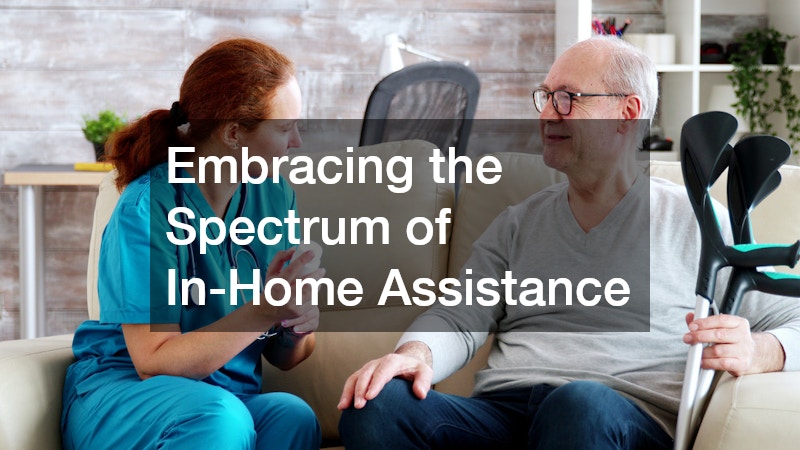
While residential communities fit some individuals perfectly, many seniors express a powerful desire to age in place within the familiar, comforting walls of their long-term family home. Achieving this safely requires a realistic look at how physical and cognitive needs evolve, and establishing a robust support system before daily tasks become unmanageable obstacles.
For families dedicated to keeping their loved ones at home, integrating professional home care services is a highly effective solution. These services provide customizable assistance tailored to an individual’s specific routine, whether that involves help with morning mobility, meal preparation, or medication reminders. Bringing professional help into the household environment significantly lowers the risk of household accidents and lifts a massive logistical weight off the shoulders of relatives.
When a senior’s needs lean heavily toward personal care, hygiene, and mobility assistance, structured in-home care plans become essential. This type of dedicated care focuses intensely on maintaining physical safety, managing chronic conditions, and ensuring that daily nutritional needs are met. By systematically modifying the home environment and pairing it with professional support, seniors can safely retain their independence for years longer than they could unsupported.
Actions for Structuring Safe Aging in Place
- Install safety modifications throughout the home, including secure grab bars in bathrooms, enhanced lighting in hallways, and non-slip flooring.
- Conduct a comprehensive interview process with multiple care agencies, verifying background checks, training protocols, and insurance coverages.
- Start with a minimal care schedule—such as a few hours twice a week—to let your loved one comfortably acclimate to having a professional in their space.
- Keep a centralized care binder in the home containing updated medical histories, daily routines, emergency contacts, and clear medication logs.
Cultivating Emotional and Social Well-Being
Long-term wellness extends far beyond physical safety and medical compliance. Human beings have an enduring need for deep connection, intellectual stimulation, and emotional validation. As social circles naturally shift over time, intentionally planning for companionship is just as vital as securing financial resources or legal protections.
To combat the profound risks of senior isolation, families frequently utilize specialized companion care services. Unlike purely clinical assistants, these professionals focus primarily on the psychological and social dimensions of aging. They engage seniors in meaningful conversations, accompany them to community events, play games, and help them maintain their favorite hobbies, ensuring that life remains rich, vibrant, and filled with purpose.
At the heart of this network are the dedicated caregivers who form the emotional backbone of long-term support systems. Whether these roles are filled by compassionate professionals or devoted family members, these individuals do the heavy lifting every single day. Recognizing the immense value of this role—and planning for rotational respite care to prevent caregiver burnout—is an essential component of a sustainable, long-term family strategy.
Actions for Enriching Daily Social Connections
- Encourage regular participation in local senior centers, book clubs, or volunteer organizations to maintain a diverse social network.
- Introduce user-friendly communication technology, like simplified tablets or video-calling devices, to bridge the distance with faraway relatives.
- Coordinate weekly family traditions, such as a Sunday brunch or a recurring phone call, to give your loved one consistent milestones to look forward to.
- Integrate professional respite care early in the process to allow family members regular breaks to rest, recharge, and maintain their own health.
Navigating Urgent and Routine Healthcare Logistics
A comprehensive far-future plan must also account for the unpredictable nature of health. While managing chronic conditions through scheduled doctor appointments is standard practice, families must also establish clear protocols for sudden, non-life-threatening medical events. Knowing exactly where to go in these moments prevents panic and ensures efficient treatment.
For sudden minor illnesses or injuries that occur outside of standard business hours, utilizing a local walk-in clinic is often the most practical choice. These urgent care facilities bridge the gap between your primary care physician and a crowded hospital emergency room, handling issues like minor fractures, deep cuts, sudden fevers, or allergic reactions. Ensuring your entire family knows the locations and operational hours of these clinics saves critical time during a minor health crisis.
Establishing clear healthcare proxies and maintaining highly organized medical records are equally critical parts of this logistical framework. When a medical emergency occurs, having instant access to a person’s complete health history enables providers to make safer, faster clinical decisions. This level of preparation turns a chaotic medical situation into a controlled, manageable event.
Actions for Streamlining Medical Responses
- Create a compact, laminated medical card for each family member detailing known allergies, current medications, and primary care contact numbers.
- Map out the closest urgent care centers and emergency rooms relative to your home, noting their operating hours and accepted insurance providers.
- Execute a formal healthcare proxy or medical power of attorney document, granting a trusted relative the legal right to make medical decisions if you cannot.
- Keep a fully stocked, up-to-date first aid kit in an easily accessible location in the home, and ensure every family member knows how to use it.
Structuring Final Transitions With Dignity
The final phase of long-term planning is undeniably the most emotionally challenging, yet it is also the ultimate gift of clarity you can leave behind. Making conscious decisions about how you wish to be remembered removes an immense emotional and financial burden from your grieving family. It allows them to focus entirely on honoring your life rather than navigating complex logistics during a time of deep shock and sorrow.
Engaging in the creation of pre-funded funeral plans allows you to outline your exact preferences for your final arrangements, from the style of the service to the method of burial or cremation. By locking in current prices and making these choices ahead of time, you shield your children from the risk of emotional overspending, which frequently happens when families are forced to make hurried arrangements under immense stress.
Discussing these matters openly within the family may feel uncomfortable initially, but it ultimately fosters an atmosphere of profound peace. It transforms a historically taboo subject into a courageous conversation about legacy, celebration, and mutual support. Knowing that your final transitions will be handled exactly in accordance with your personal wishes brings a profound sense of closure to your lifelong planning journey.
Actions for Organizing Final Arrangements
- Schedule informational consultations with reputable local funeral homes to explore pre-planning packages and understand funding options.
- Write down a detailed legacy document outlining your preferences for music, readings, clothing, and the general tone of your memorial service.
- Establish a dedicated, payable-on-death account or purchase a specialized burial insurance policy to ensure immediate funds are accessible for expenses.
- Store all original copies of final plan documents, deeds for cemetery plots, and military discharge papers in a secure, fireproof home safe.
Ultimately, planning for the far future is not a single event that you complete and lock away in a drawer; it is an ongoing, evolving dialogue that grows alongside your family. As generations age, children grow into adulthood, and life circumstances naturally shift, your plans must adapt to reflect your current reality. By weaving preparedness into the very fabric of your family culture, you teach the next generation the immense value of foresight, responsibility, and mutual care.